The moment that pushed me over the edge was a random Tuesday night when I opened the junk drawer to grab scissors and somehow a battery, a takeout menu from 2019, and a rubber band exploded onto the floor. I just stood there staring at it, thinking how did my house get like this.
Nobody warns you that clutter sneaks in quietly. It shows up through hand-me-downs, late nights, busy weeks, and stuff you swear you’ll deal with later.
Then one day you’re hosting family or friends and suddenly you’re shoving piles into closets to avoid the shame. If you’ve ever felt embarrassed by your own home or weirdly alone in the mess, you’re not. This is for you.
Decluttering isn’t about becoming a minimalist or having a house that looks staged for photos. It’s about making your home feel easier to live in.
Less sighing when you walk into a room. Less arguing over lost things. More space to actually sit, eat, laugh, and exist without feeling annoyed at your surroundings.
Why Decluttering Feels So Hard Even When You Want It
If decluttering were just about throwing things away, we’d all be done by now. The real problem isn’t the stuff. It’s the decisions.
Every item asks a question. Do I keep this. Where does it go. What if I need it later. Multiply that by hundreds of items and your brain just taps out. That’s why people start decluttering and end up scrolling their phone on the floor surrounded by piles.
Another thing nobody talks about is how clutter carries little memories. That random mug reminds you of a trip. That shirt brings guilt because it was expensive. That pile of papers feels important even when it’s not. You’re not lazy for getting stuck. Your brain is just overloaded.
There’s also the pressure to do it “right.” People think they need a full weekend, fancy bins, or a burst of motivation that never actually shows up. So they wait. And wait. And the clutter keeps stacking up.
Here’s the truth. Decluttering works best when you stop trying to fix your entire life in one afternoon. You don’t need energy. You need a simple plan and permission to be a little ruthless. Not cruel. Just honest.
Once you stop treating every item like a big emotional decision, things move faster. And once one room feels better, the rest suddenly doesn’t feel impossible anymore.
When you’re ready, the next step is setting yourself up before you even touch a single drawer. That part matters more than people think.
The Declutter Mindset That Actually Gets Results
Before you touch a closet or open another drawer, you need to get your head in the right place. Not in a motivational quote way. More like a realistic, I-have-20-minutes-and-a-life way.
Most people burn out because they treat every item like it deserves a full debate. It doesn’t. Your old phone charger does not need a trial. Neither does the chipped mug you never reach for. Decluttering gets easier when you stop asking emotional questions and start asking practical ones.
Here’s the mindset shift that changes everything. You are not deciding what to get rid of. You’re deciding what earns space in your home right now. Space is limited. Your energy is limited too. That alone makes the choice clearer.
Another thing that helps is lowering the bar. You’re not trying to become a totally different person with a totally different house. You’re just trying to make daily life less annoying. That’s it. If an item makes things harder, slower, louder, or messier, it’s probably not pulling its weight.
It also helps to expect discomfort. Decluttering feels awkward at first. You’ll second guess yourself. You’ll keep things you probably shouldn’t. That’s fine. Progress beats perfect every time. You can always declutter again later. You don’t get bonus points for suffering through it.
One rule I swear by is this. If you hesitate too long, the answer is usually no. Your gut knows before your brain catches up. Trust that. Make the call and move on.
Once you stop trying to be sentimental about everything, the process speeds up. And when the decisions get easier, the motivation follows. Not the other way around.
Next up is setting up a real action plan so you’re not wandering from room to room wondering what you’re even supposed to do first.
Your Decluttering Action Plan Before You Start
This is the part people skip, and it’s usually why they end up frustrated halfway through. Decluttering without a plan is like cleaning while cooking dinner. You move stuff around, get tired, and somehow the mess looks worse than before.
First, decide how you’re doing this. Are you a short-burst person or a longer stretch person. Some people do best with 15 minutes and a hard stop. Others want to block an hour and power through. There’s no right answer, but mixing styles usually backfires. Pick one and stick with it for now.
Next, set a very clear boundary for yourself. You are decluttering, not organizing, not redecorating, and not rearranging furniture. Those things come later. If you start matching bins or refolding shirts mid-session, you’ll run out of time and patience fast.
Grab only the basics. A trash bag. A donate bag or box. Maybe a third box for things that belong in another room. That’s it. You don’t need labels, markers, or a trip to the store. Using what you already have keeps this moving.
It also helps to decide ahead of time what happens to the stuff that leaves your house. Donations go straight into the car. Trash goes out the same day. Stuff that “might get sold” is usually a trap. If you truly plan to sell it, give it a deadline. If not, let it go.
One more thing that matters more than it should. Tell the people you live with what you’re doing. Not to ask permission, just to avoid confusion. Decluttering in silence while everyone else keeps adding stuff back in is exhausting.
When you have a plan, even a simple one, you stop quitting halfway through. You know when to stop. You know what success looks like. And that makes starting way less intimidating.
Next comes the order. Where you begin actually matters, and starting in the wrong spot can kill your momentum fast.
The Best Order To Declutter Your Home Room By Room
Not all rooms are created equal, and starting in the wrong one can mess with your motivation real quick. This isn’t about what bugs you the most. It’s about what gives you a win without draining you.
A lot of people go straight for closets or storage spaces because they feel messy and hidden. That usually backfires. Those areas are packed with delayed decisions and emotional leftovers. You end up tired before you ever see progress.
The smarter move is to start where clutter is loud and visible. Spaces you walk through every day. When those feel better, your brain believes change is possible, and that’s huge.
A good order for most homes looks like this:
Start with the entryway or drop zone. Clearing that space makes leaving and coming home feel calmer right away. Shoes stop tripping you. Bags stop piling up. It’s a small area with fast payoff.
Next hit the bathrooms. These are easy wins. Expired products, half-used bottles, and duplicates usually jump out at you. You don’t need hours here, and the results feel instant.
Then move into the kitchen. Not all at once. One section at a time. A drawer, a cabinet, the counter. This room affects your whole day, so even small changes help more than you expect.
After that, living spaces make sense. Once shared areas are lighter, everything feels less chaotic. Surfaces matter here. Clear surfaces change how a room feels fast.
Closets and bedrooms come later. They take more decision energy. By now, you’ll have momentum and fewer excuses. You’ll also notice how much easier it is to let go once other rooms already feel better.
Save storage spaces for last. Garage, basement, attic. Those areas hold delayed choices and old versions of your life. You want confidence before tackling them, not burnout.
If this order doesn’t work for your life, that’s fine. Adjust it. Just promise yourself one thing. Start where you can finish. Finishing builds confidence. Confidence keeps you going.
Once the order is set, it’s time to get into the actual room-by-room checklists. Same process every time. No guessing. No wandering around wondering what to do next.
The Room By Room Declutter Checklist You’ll Use Everywhere
Here’s where things finally start to feel doable. The biggest mistake people make is treating every room like a brand new project. New rules, new energy, new confusion. That’s exhausting. What actually works is using the same simple process in every space, over and over, until it becomes almost automatic.
Think of this as your default decluttering rhythm. You don’t need to reinvent it for each room.
Start by picking one room and one clear starting point. A corner. A drawer. One side of the room. Not the whole thing. When people say they’re decluttering the living room, what they really mean is they’re standing there overwhelmed. Narrowing your focus keeps you moving.
Next, do a fast scan and remove the obvious stuff first. Trash goes straight into the bag. No debating. Broken, expired, stained, missing pieces. Gone. This builds momentum and clears visual noise right away.
Then grab everything that does not belong in that room. Don’t put it away yet. Just collect it in a box or basket. This stops you from wandering all over the house and forgetting what you were even doing.
After that, work through what’s left and make quick decisions. Keep, donate, toss. Try not to create a “think about later” pile. That pile always turns into a permanent roommate.
One rule that helps is this. If you didn’t know you owned it until five minutes ago, you probably don’t need it. Harsh, maybe. Effective, yes.
As you go, leave the things you’re keeping where they are unless they clearly don’t belong. You are decluttering, not organizing yet. Moving things around too much slows everything down.
When the room is done, you’re not done. Deal with the exit piles immediately. Take out the trash. Put donations by the door or in the car. Return the out-of-place items before starting a new room. Stopping halfway is how clutter sneaks back in.
You’ll use this same checklist in every room. The only thing that changes is the type of stuff you’re deciding on. And once you’ve done it a few times, your brain stops fighting you so much.
Up next, we’ll start with the first room most people should tackle, the entryway and drop zones that quietly control the rest of the house.
Entryway and Drop Zones That Don’t Explode Daily
This space sets the tone for your whole house, even if you don’t realize it. When the entryway is a mess, everything feels rushed and chaotic. Shoes pile up, bags land wherever, mail floats around with no real home. It’s annoying in a quiet way that builds over time.
Start by clearing it out completely. I mean everything. Shoes, jackets, random sunglasses, dog leashes, coins, papers. Put it all on the floor so you can actually see what’s been living there. This part always looks worse before it looks better. That’s normal.
Now get honest about what actually belongs here. The entryway is not storage. It’s a transition space. If something isn’t used almost every day when coming or going, it doesn’t earn a spot. Extra shoes, off-season coats, sports gear, backpacks from last year. Move them out.
Shoes are usually the biggest problem. Pick a number that fits your space and stick to it. If the rack or mat fits six pairs, that’s the limit. Everything else lives somewhere else. When the space decides the rule, you don’t have to.
Bags and jackets work best when they’re easy to grab. Hooks are your friend here. If something needs to be folded or stacked to survive, it’s probably not going to happen consistently.
Paper clutter sneaks in fast. Open the mail right away. Junk goes out immediately. Important stuff gets one small spot. Not a pile. Not a drawer full of mystery papers. One spot you actually check.
The key to keeping this area under control is a tiny reset habit. Once a day, maybe before bed, take thirty seconds to straighten shoes and return things to their place. That’s it. No deep cleaning. Just a reset.
When the entryway works, the rest of the house feels calmer. You leave without stress. You come home without that immediate sigh. And that makes decluttering the next room feel way less heavy.
Next up, bathrooms. Small spaces, fast wins, and way more expired stuff than anyone wants to admit.
Bathrooms That Stay Clean Without Constant Effort
Bathrooms are one of the easiest places to start feeling like a decluttering genius. Mostly because there is so much stuff in there that should’ve been gone months ago. Expired products, half-used bottles you didn’t even like, backups of backups. It adds up fast.
Start by pulling everything out of one area at a time. A drawer. The cabinet under the sink. The shower shelf. Don’t empty the whole bathroom unless it’s tiny. That can get messy fast and annoying even faster.
First pass is easy. Toss anything expired, empty, leaking, or clearly forgotten. If you haven’t used it in a year and it’s not medicine or first aid, it’s probably safe to let it go. Yes, even the fancy stuff you swear you’ll try again someday.
Next, group like items together. Skincare with skincare. Hair stuff with hair stuff. This makes duplicates obvious real quick. You don’t need five open face washes. Pick the one you actually reach for and move on.
Counters matter more than people think. The more stuff sitting out, the harder it is to clean and the messier the room feels, even when it’s technically clean. Keep only what you use daily out in the open. Everything else should live in a drawer or cabinet.
Under the sink turns into a black hole in most homes. This is not the place for random extras from other rooms. Keep it boring. Cleaning supplies, basic backups, first aid. That’s it. If you need a flashlight or paint samples, they belong somewhere else.
The habit that keeps bathrooms under control is a quick reset. Wipe the counter. Put things back. Toss trash. It takes maybe a minute. Skipping that minute is how clutter creeps back in without asking.
Once your bathroom feels lighter, mornings get easier. You’re not digging through stuff half-awake and annoyed. And that small win makes the next room feel way less intimidating.
Next up is the kitchen. The heart of the house and also the place clutter loves to hide in plain sight.
A Kitchen That Feels Easier To Use Every Day
If your kitchen feels stressful, it’s usually not because it’s dirty. It’s because there’s too much stuff fighting for space. Too many gadgets. Too many containers. Too many things sitting out that don’t actually help you cook or eat.
Don’t try to declutter the whole kitchen at once. That’s how people give up halfway through and order takeout. Pick one zone. A drawer. A cabinet. The counter. Finish that, then stop if you need to.
Start with the counters. Anything that doesn’t help you daily can go. Mail, random decor, appliances you use twice a year. Clearing counters gives you instant breathing room, and it makes cleaning faster too.
Drawers and cabinets work best when you declutter by category. Pull out all the utensils. Then all the pots. Then dishes. Doing it this way shows you duplicates you didn’t even realize you had. Keep the ones you reach for without thinking.
Food clutter is sneaky. Check expiration dates. Combine open bags. Be honest about the stuff you bought with good intentions and never touched. If it’s been sitting there untouched for months, it’s not suddenly becoming dinner next week.
Under the sink should only hold what you use to clean the kitchen. That’s it. Extra stuff from other rooms makes this space chaotic for no reason.
Here’s a rule that helps a lot. If you don’t use it most days, it doesn’t need to live on the counter. Counter space is valuable. Treat it that way.
The habit that keeps kitchens from slipping back into chaos is a nightly reset. Clear the counters. Load the dishwasher. Wipe the surfaces. You don’t have to deep clean. Just reset. Mornings feel way easier when you do.
Once the kitchen feels under control, daily life runs smoother. Meals feel less rushed. Cleanup doesn’t feel like a punishment. And suddenly, decluttering the rest of the house feels less overwhelming.
Next up are living and shared spaces. The rooms that quietly collect everything no one knows what to do with.
Living and Shared Spaces That Don’t Turn Into Dumping Grounds
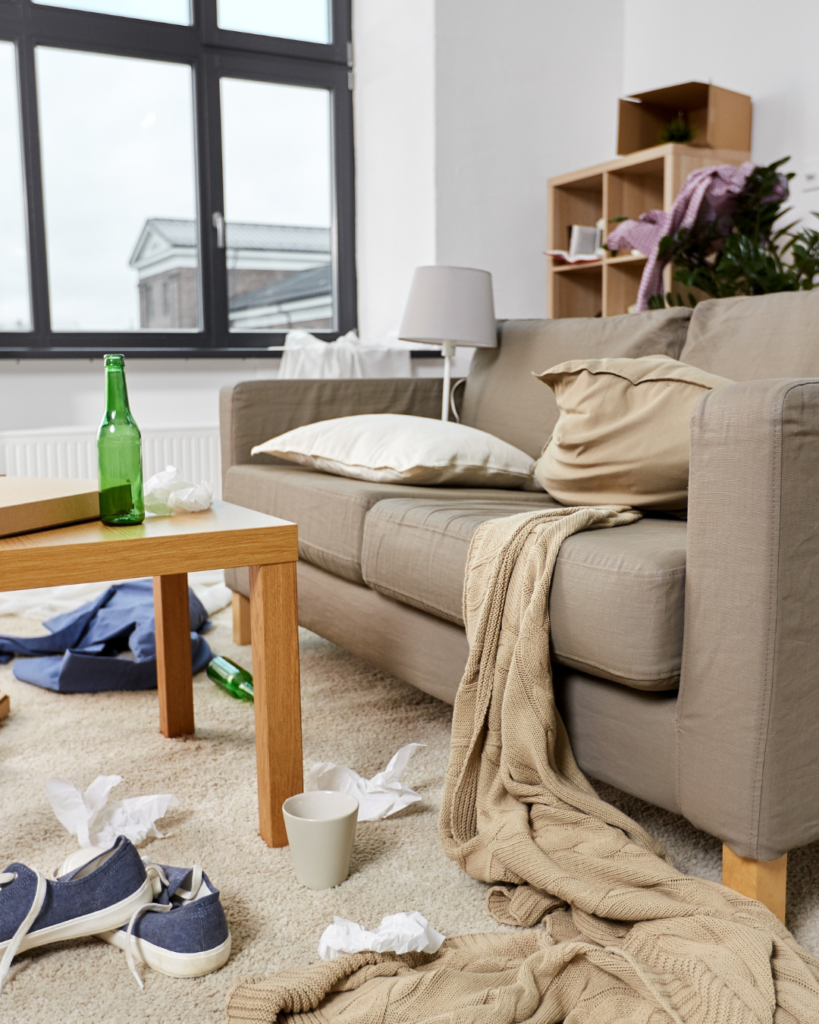
Living rooms and family rooms have a weird job. They’re supposed to be calm places to relax, but they also end up holding everyone’s stuff. Cups, cords, toys, papers, that one blanket nobody folds. When these rooms feel messy, the whole house feels messy.
Start with the surfaces. Coffee tables, side tables, shelves, the TV stand. Clear them off completely. It might feel extreme, but it helps you see how much stuff was just hanging out there for no real reason.
Put back only what actually belongs in the room. A couple books you’re reading. A plant. A lamp. Maybe a basket for remotes. Everything else needs to go home. If something doesn’t have a home, that’s a sign. Either it needs one or it needs to leave.
Hidden clutter is the next problem. Drawers, baskets, media cabinets. These are usually full of random things that don’t belong together. Go category by category. Cords with cords. Remotes with remotes. Games with games. If you find duplicates or stuff you haven’t used in forever, let it go.
Furniture matters more than people think. If a piece is just there to hold clutter, it’s not helping you. Too many side tables or chairs make a room feel crowded fast. Fewer pieces with clear purpose make the space feel lighter, even without changing anything else.
One thing that helps shared spaces stay clear is giving clutter a limit. One basket for stray items. Not three. When it’s full, it’s time to deal with what’s inside instead of adding more.
The habit that keeps these rooms from falling apart is a quick end-of-day reset. Five minutes. Everyone grabs their stuff and puts it back where it belongs. No deep cleaning. Just a reset so the room feels calm again.
When living spaces work, the house feels more welcoming. You can sit down without moving piles. You can invite people over without panic cleaning. And that makes the effort worth it.
Next up are closets and clothing. The area where good intentions and guilt like to hang out together.
Closets and Clothing Without the Morning Meltdowns
Closets feel personal, which is why people avoid them. Every shirt has a memory. Every pair of jeans comes with a story about money spent or weight fluctuations or who you used to be when you bought them. It gets messy fast, mentally and physically.
Start small. One category at a time works way better than pulling everything out and spiraling. Pick tops. Or pants. Or shoes. Finish that category, then decide if you have energy for another.
Here’s the rule that cuts through most of the noise. Keep what you actually wear now. Not what almost fits. Not what you might wear if your life suddenly changes. What you grab without thinking on a regular week.
Duplicates are sneaky. You don’t need five versions of the same black sweater. Keep the one or two you reach for first. The rest are just taking up space and attention.
If something doesn’t fit your body or your life anymore, it’s allowed to go. Holding onto it doesn’t bring the old version of you back. It just crowds the current one. That’s a hard truth, but it’s freeing once you accept it.
Shoes deserve their own moment. If they hurt, you don’t wear them. If they don’t go with how you actually dress, you don’t wear them. Let them go. Your feet will forgive you.
Once you’ve pared things down, organize so getting dressed feels easier, not more complicated. Group similar items together. Put everyday clothes front and center. Special occasion stuff can live farther back. You don’t need a fancy system, just one that makes sense when you’re half awake.
The habit that keeps closets from creeping back into chaos is a donation bag right inside the closet. When something stops working for you, drop it in there and move on. No drama.
When your closet is lighter, mornings feel calmer. Fewer decisions. Less frustration. And that confidence makes it easier to tackle the next space.
Next up are bedrooms. The place that should feel restful, but often ends up holding everything you didn’t know where else to put.
Bedrooms That Actually Feel Restful Again
Bedrooms are supposed to be the place you shut the door and breathe. Somehow they turn into laundry storage, random piles, and a chair that holds clothes in all stages of worn. When a bedroom feels messy, it messes with your sleep more than you think.
Start with the easy win. Make the bed. I know it sounds basic, but it changes how the room feels instantly. It also gives you a clear surface to work on without things sliding onto the floor.
Next, remove anything that doesn’t belong in a bedroom. Papers, dishes, workout gear, random bags. These things quietly raise your stress level even if you don’t notice it right away. Take them out before deciding anything else.
Nightstands and dressers are clutter magnets. Clear them off completely. Then put back only what you actually use. A lamp. A book. Your phone charger. That’s probably it. When surfaces are crowded, the room feels loud even when it’s quiet.
Clothes are usually the biggest issue. Dirty clothes should go straight to the laundry area, not sit on the floor waiting for motivation. For clothes you’ll wear again, give them one clear spot. A hook, a drawer, a shelf. When there’s no system, they end up everywhere.
Also Read: 10 Tips For Decluttering Clothes (Painlessly!)
Furniture matters here too. Extra chairs and side tables turn into clutter holders fast. If something exists only to collect piles, it’s not helping your rest. Fewer pieces usually makes the room feel bigger and calmer.
The habit that keeps bedrooms from sliding back into chaos is a short reset at night. Two minutes. Put clothes away. Clear surfaces. Set out what you need for the morning. Waking up to a calm room changes the whole tone of your day.
Once bedrooms feel under control, the house starts to feel more intentional. You’re not just managing mess anymore. You’re creating spaces that actually support how you live.
Next up are laundry rooms and linen storage. Not exciting, but fixing these makes daily life way smoother than people expect.
Laundry and Linen Spaces That Don’t Create More Work
Laundry rooms and linen closets don’t get much attention until they’re driving you crazy. Piles of towels, half-used detergent bottles, sheets shoved wherever they fit. When these spaces are messy, even basic chores feel heavier than they should.
Start by clearing one area at a time. A shelf. A cabinet. The top of the washer and dryer. Don’t try to fix everything at once. These spaces are usually small, which is good news. You can see results fast.
Get honest about what you actually use. If a detergent didn’t work and you switched brands, let the old one go. Same with stain removers and cleaning sprays you forgot you owned. Keeping them “just in case” usually means they sit there forever.
Towels and sheets multiply quietly. You don’t need a mountain of them. Keep what fits comfortably in the space you have. Extra sets can be great, but too many just make folding and storing annoying. Worn out towels can become rags or leave the house entirely.
Sheet sets are easier to manage when they stay together. Fold the whole set into one pillowcase so you’re not hunting for matching pieces later. It sounds small, but it saves time every single week.
Counters and machine tops should stay clear if possible. When those surfaces turn into storage, laundry feels like a chore before you even start. Clear space makes folding and sorting less painful.
The habit that keeps this area running smoothly is putting laundry away the same day. Not perfectly. Just done. Letting clean clothes sit creates clutter out of thin air.
When laundry and linens are under control, routines feel lighter. You’re not constantly catching up. You’re just keeping things moving.
Next up is the home office and paper clutter. The kind that feels important, overwhelming, and never-ending all at once.
Home Office and Paper Without the Constant Piles
Paper clutter feels heavier than it looks. Every piece needs a decision, and when you’re tired or busy, those decisions get delayed. That’s how papers end up spread across desks, counters, and random corners of the house.
Start with the surfaces. Clear your desk, table, or command center completely. Put back only what you use daily. A laptop, a notebook, maybe a pen. When the surface is clear, your brain feels clearer too.
Next, gather all loose papers from the room. Bills, notes, school forms, manuals, receipts. Don’t sort yet. Just get them into one place so they stop floating around.
Now make a few simple piles. Take action. File or keep. Recycle or shred. Keep the categories broad. You’re not building an archive. You’re creating a system you’ll actually use.
Be honest about what you really need to keep. Old instructions you can find online. Receipts from years ago. Flyers you meant to read. Most of it can go. Holding onto paper doesn’t make it more important.
Office supplies love to multiply too. You don’t need a drawer full of pens that barely work. Keep a few favorites and let the rest go. Fewer supplies make it easier to put things away.
The key habit here is a regular paper check. Once a week is enough. Sort what came in. Handle what needs action. Recycle the rest. Waiting longer just turns it into a bigger problem.
When paper is under control, work feels less draining. You’re not searching for things or feeling behind before you even start.
Next up are storage spaces. Garages, basements, and attics. Big areas, big emotions, and a lot of stuff that’s been waiting for a decision.
Storage Spaces That Stop Holding Your Past Hostage
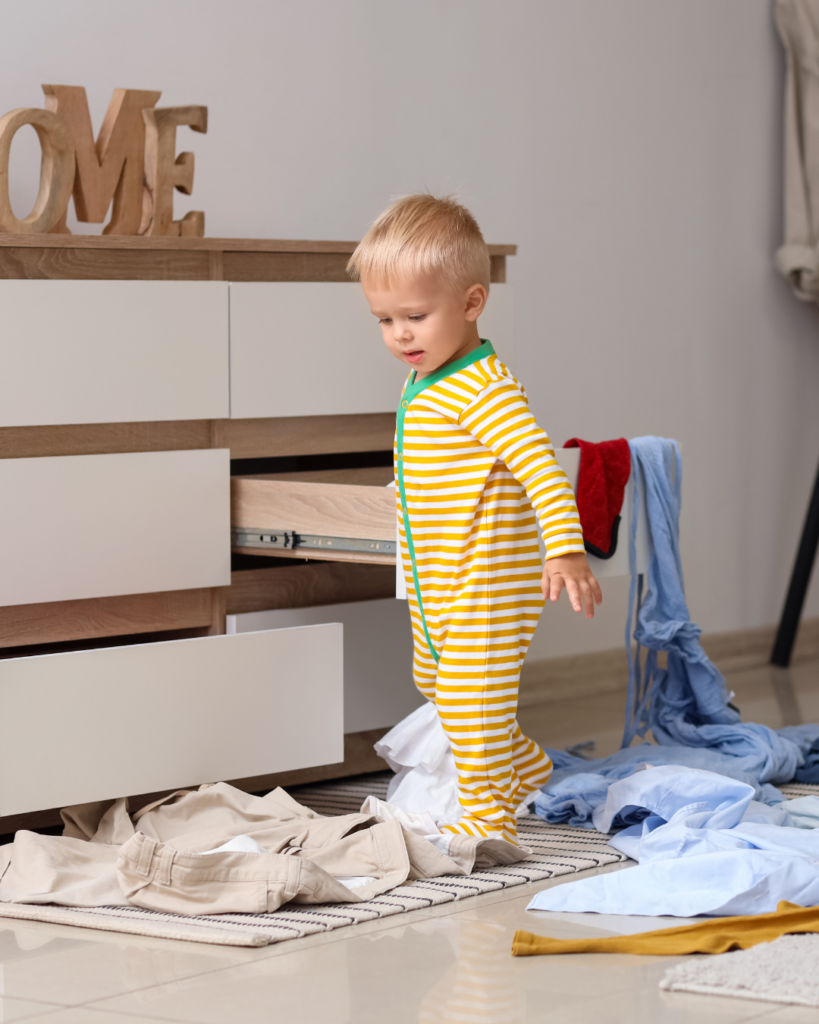
Garages, basements, and attics are where decisions go to die. Old furniture. Baby gear. Projects you swore you’d finish. Boxes you haven’t opened since the last move. These spaces quietly collect versions of your life that no longer exist.
Start with the biggest items first. Old shelves, broken furniture, unused gear. Removing large things creates space fast, and that momentum matters. Seeing open floor or clear shelves makes the rest feel manageable.
Work in sections, not the whole space. One wall. One shelf. One corner. If you try to take on everything at once, you’ll burn out before you even get warm.
Be honest about “just in case” items. If you haven’t touched it in a year and forgot it was there, chances are you don’t need it. Keeping it doesn’t make future-you more prepared. It just makes present-you more stressed.
Sentimental items deserve their own time. Don’t mix them into a big declutter session unless you’re ready. Set them aside and come back later. There’s no rule that says everything has to be decided today.
Once you’ve pared things down, give what remains a clear home. Group similar items together. Label boxes so you don’t have to open them again just to remember what’s inside. Mystery boxes always turn into clutter magnets.
The habit that keeps storage spaces from refilling is a seasonal check. When you pull something out, ask if it earned its spot. If it didn’t get used, it might be time to let it go.
Clearing storage spaces is emotional, but it’s also freeing. You’re not erasing your past. You’re making room for your present.
Next up is what to do right after you finish each room. This step is where a lot of people accidentally undo their progress.
What To Do Right After You Finish Each Room
This part matters more than most people realize. You can declutter a whole room and still feel like nothing changed if you skip the follow-through. That’s usually when stuff creeps right back in and you end up annoyed with yourself.
First thing, deal with the exit piles immediately. Trash goes out. Not later. Not tomorrow. Donations go by the door or straight into the car. If bags sit around, they somehow make their way back inside. It’s like they know.
Next, return the items that belong in other rooms. Don’t stack them in a corner thinking you’ll get to it. That’s how clutter just changes location instead of leaving your life. A few extra minutes now saves you from a bigger mess later.
Resist the urge to start organizing right away. I know it’s tempting. You see the space and want to make it perfect. But organizing unfinished decluttering just hides problems instead of fixing them. Clear first. Systems come after.
Take a moment to notice the difference. Seriously. Walk out of the room and back in. Let your brain register that it feels better. This sounds small, but it helps with motivation more than people admit.
If you’re tired, stop. Don’t push into another room just to say you did more. Ending on a finished space feels way better than stopping halfway through the next one.
The habit that keeps progress from disappearing is maintaining what you already finished. A quick reset every few days is easier than re-decluttering from scratch.
Once you get good at closing the loop on each room, the whole process feels lighter. You’re not dragging clutter from space to space. You’re actually letting it leave.
Next up is how to keep your home from sliding back into chaos once the decluttering is done.
How To Keep Your Home Decluttered Without Constant Effort
This is the part everyone worries about. What if it all comes back. What if I do all this work and six months later the house looks the same. The good news is clutter doesn’t come back randomly. It comes back through habits. Which means you can stop it without turning into a control freak.
The biggest thing that helps is setting physical limits. Let the space decide how much you keep. If a drawer is full, something has to leave before something new comes in. When the space is the rule, you don’t have to argue with yourself every time.
Resets matter more than deep cleans. Ten minutes here and there keeps things from piling up. End of the day resets work best. Clear the counters. Put things back. Straighten one surface. It’s boring, but it works.
Be picky about what enters your house. Every item you bring in is future clutter unless it replaces something else. Free stuff, hand-me-downs, impulse buys. These are the sneakiest clutter creators. You’re allowed to say no, even if it’s free.
Another thing people forget is teaching the system to the people you live with. If only one person understands where things go, the house will always feel messy. Keep systems simple enough that everyone can follow them without asking.
Do small check-ins instead of big cleanouts. Once a month, pick one area and do a quick edit. Toss what’s broken. Donate what’s not working. Five minutes is usually enough when clutter hasn’t had time to pile up.
Life changes bring clutter. New jobs. New routines. New seasons. That doesn’t mean you failed. It just means it’s time for another quick pass. Decluttering isn’t one and done. It’s maintenance, like everything else in life.
When your home stays lighter, your brain does too. You spend less time searching, cleaning, and feeling behind. And that’s the real win here.
Next up is what to do when decluttering feels emotional, exhausting, or just too much to deal with at once.
Decluttering When You’re Tired, Emotional, or Just Over It
Some days decluttering feels fine. Other days it feels weirdly personal and exhausting. That’s normal. Clutter holds memories, guilt, and old versions of ourselves whether we like it or not. When life already feels heavy, dealing with stuff can feel like too much.
If you’re emotionally drained, lower the bar. You don’t need to make big decisions. Do a trash-only round. Or clear one surface. Or set a timer for ten minutes and stop when it goes off, even if you’re mid-task. Stopping on purpose is better than quitting in frustration.
Sentimental items deserve a different approach. Don’t mix them into regular decluttering sessions unless you’re ready. Set them aside in one box and deal with them later. You’re not avoiding them. You’re pacing yourself.
It also helps to separate memory from object. Keeping everything isn’t the same as honoring the past. You can take photos of items, write down the story, or keep one meaningful piece instead of a whole pile. The memory stays even if the object doesn’t.
If you notice yourself freezing or spiraling, that’s a sign to pause, not push harder they say. Decluttering should feel uncomfortable sometimes, but not punishing. There’s a difference.
Ask yourself one grounding question when things get tough. Would I go out of my way to replace this if it were gone. If the answer is no, you already have your answer.
You’re allowed to declutter imperfectly. You’re allowed to keep things longer than necessary. And you’re allowed to change your mind later. Progress counts even when it’s slow.
The last thing to remember is this. You’re not doing this to become someone else. You’re doing it to support the life you’re already living.
Next up is pulling everything together with a simple whole-home checklist so you can actually see how far you’ve come.
A Simple Whole-Home Declutter Checklist You Can Actually Finish
By this point, you’ve probably noticed a pattern. Decluttering isn’t about motivation. It’s about having a short list you can come back to when your brain is tired and life is loud.
This checklist isn’t meant to be done in one weekend. It’s meant to sit on your phone or a piece of paper and remind you where you left off. No pressure. No catching up.
Here’s a simple way to look at the whole house:
- Entryway and drop zones
- Bathrooms
- Kitchen
- Living and shared spaces
- Closets and clothing
- Bedrooms
- Laundry and linen areas
- Home office and paper
- Storage spaces like the garage, basement, or attic
That’s it. No fancy breakdown. No color coding. When you work on one area, mark it done and move on. If you need to circle back later, that’s fine. Life changes. Stuff changes. Homes aren’t frozen in time.
You can also add notes next to each area. Things like “needs another pass” or “good for now” or “never doing this again without coffee.” Make it yours. The goal isn’t perfection. It’s clarity.
If you only ever get through half the list, that’s still a huge win. Half a lighter home is better than a whole house you’re afraid to touch.
Final Thoughts Before You Close the Junk Drawer Again
Decluttering isn’t about having less for the sake of it. It’s about having room. Room to move. Room to think. Room to invite people over without that quiet panic clean five minutes before they arrive.
Your home doesn’t need to look perfect. It just needs to work for you. Some rooms will always be messier than others. Some seasons will undo your progress. That doesn’t mean you failed. It just means you’re human.
If all you do today is clear one surface or toss one bag of trash, that counts. Momentum comes from action, not motivation.
And next time you open a drawer and nothing falls out at your feet, you’ll know it was worth it.